
TER Solid Shrink Collet Gets A Grip On Shank-Style Cutting Tools
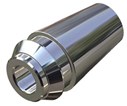
A totally new solid monoblock tool holding solution from LMT UK replaces and overcomes problems experienced with the more traditional spring-based tool holding collet enabling the maximum transmission of spindle speed, torque and feed rate to the cutting tool. Through the new TER solid holder, tool life can be increased by up to 300 per cent with added precision available to the cutting process by maintaining runout at the tool tip within three microns TIR.
Developed and patented by the Bilz division of LMT, the TER Shrink Collet, now available through LMT UK of Meriden in Coventry, is a straight replacement (DIN 6499) for the traditional spring based collet used in a chuck and driven tool holder for direct clamping of tools by the shank in the machine tool spindle. TER can be used on tool shanks between 3 mm and 20 mm diameter and will be accepted by normal collet holders without the need for a sealing disc.
By changing over to the TER shrink collet from a traditional collet system at a customer for both rough and finish machining on a 10-axis Index G 200 turning centre, rough machining time using a 10 mm shank tool was reduced from 75 secs to just 30 secs and finish machining with a 6 mm shank tool lowered by 3 secs to 17 secs. Due to the higher rigidity of the tooling setup, cutter life was increased from 500 to 1,500 parts on both rough and finish cycles.
The shank of the tool is secured in the TER holder by heat skrinking, a quick acting thermally based process normally taking under 30 secs to accomplish. This has the effect of creating a single unit of tool and holder to ensure maximum rigidity and stability between the machine spindle and cutting tool.
Its replacement of the spring collet/chuck arrangement overcomes several disadvantages when using this more traditional method to mechanically grip the shank of the tool. Collets are prone to progressive wear and damage if not monitored and exchanged on a regular basis and in certain cases will allow the tool to skid under cutting conditions or even drop out of the spindle.
Centrifugal force from the rotating tool can also encourage tool slip by relaxing the spring collet while any runout at the cutting edges of the tool causes uneven wear, noise, vibration and degraded levels of surface finish on the component. Indeed, as a general rule, for every 10 microns TIR of runout at the tool tip the life expectancy of the cutter is reckoned to be reduced by around 10 per cent.
The use of shrink fit technology provides not only a quick, fool-proof and positive method of mounting or dismounting a drill, milling cutter or tap with its holder but also creates a significant advantage especially noticeable as spindle speeds are increased. The cutting tool shank is simply positioned over the bore in the TER solid holder.
The nose section of the holder is heated via an induction coil until the tool shank drops into the toolholder aided from the clearance created by its thermal expansion. The cutter is then gripped tightly as the holder rapidly cools and contracts onto the tool shank. Tool removal is just as simple by reheating the holder.
SOURCE: LMT UK